
What Makes Trauma-Aware Therapy Different?


For decades, the dominant model of therapy has been rooted in conversation — talking about feelings, analyzing patterns, reframing thoughts. But for many people who carry the imprint of trauma in their bodies, words alone are not enough. Trauma-aware therapy begins where traditional approaches leave off: in the living, breathing body.
Trauma Lives in the Body
When we experience something overwhelming — whether a single event or a prolonged period of stress — our nervous system responds by mobilizing survival mechanisms. Fight, flight, freeze, or fawn. These responses are involuntary and deeply intelligent. They protect us in the moment.
The challenge arises when these protective patterns remain active long after the threat has passed. Chronic tension in the shoulders, a tight jaw, shallow breathing, a sense of being "on guard" that never quite resolves — these are not character flaws or bad habits. They are the body's way of holding unfinished survival responses.
The body remembers what the mind might choose to forget. True healing asks us to listen to that deeper knowing with patience and compassion.
What Does Trauma-Aware Actually Mean?
A trauma-aware practitioner understands that symptoms are adaptations, not pathology. Rather than trying to "fix" or override the body's responses, this approach works with them. It means creating an environment of genuine safety — not just physical, but nervous-system-level safety — where the body can begin to explore, gently, what it has been holding.
This includes understanding the window of tolerance: the zone in which a person can feel activated (emotions, sensations, memories) without becoming overwhelmed. Trauma-aware work is always titrated — carefully paced to stay within or just at the edge of this window, building capacity gradually rather than forcing catharsis.
How Our Practitioners Approach This
The practitioners in our directory bring a range of body-centered modalities to trauma work. What unites them is a shared commitment to safety, consent, and the intelligence of the body. Here are some of the principles that guide their work:
- Consent and agency — clients are always invited, never pushed. The pace is set collaboratively, and a client's "no" is always honored.
- Tracking the body — practitioners pay close attention to subtle signals: shifts in breathing, changes in skin color, micro-movements. The body communicates constantly.
- Resourcing — before exploring difficult material, practitioners help clients build internal resources: grounding techniques, breath practices, and a felt sense of safety in the present moment.
- Pendulation — gently moving between activation and settling, allowing the nervous system to complete interrupted survival responses at a sustainable pace.
- Integration — each session includes time to integrate what has been experienced, so that insights and shifts can be anchored in everyday life.
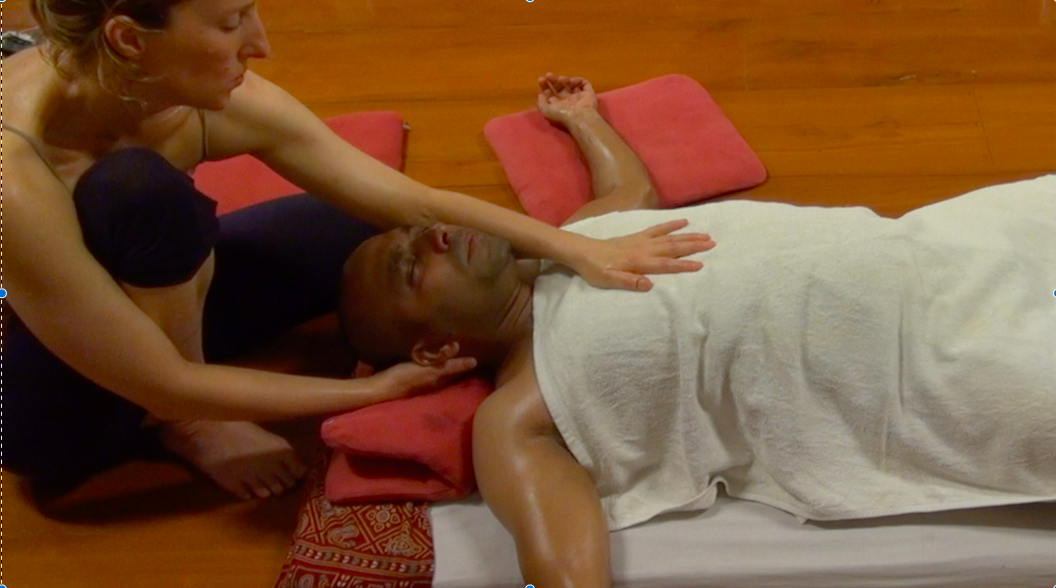
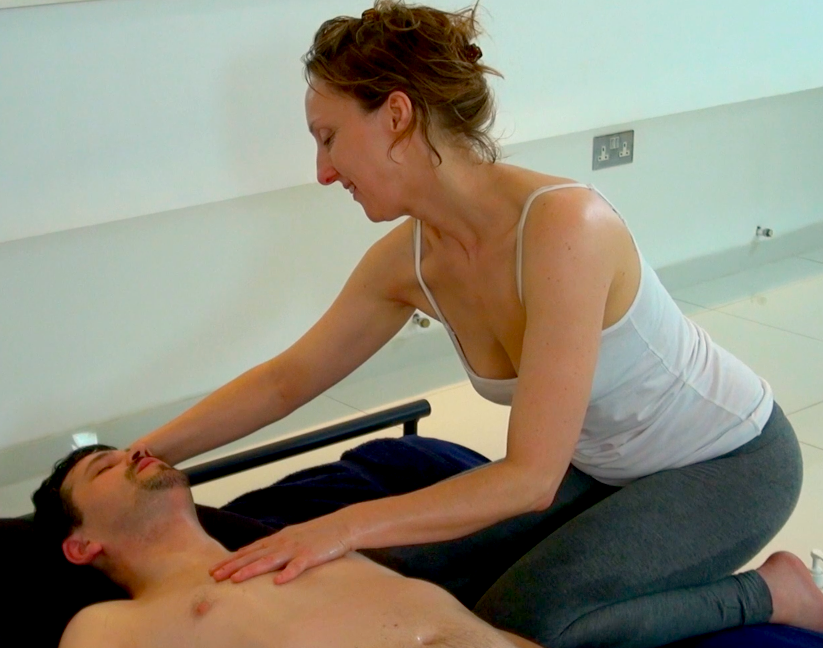
Whether through breathwork, somatic experiencing, tantric bodywork, or another modality, the thread that runs through all trauma-aware practice is deep respect for each person's unique process and timeline.
Healing is not linear, and it cannot be rushed. But with the right support, the body's innate capacity for self-regulation and wholeness can be restored — not through force, but through patience, presence, and trust.
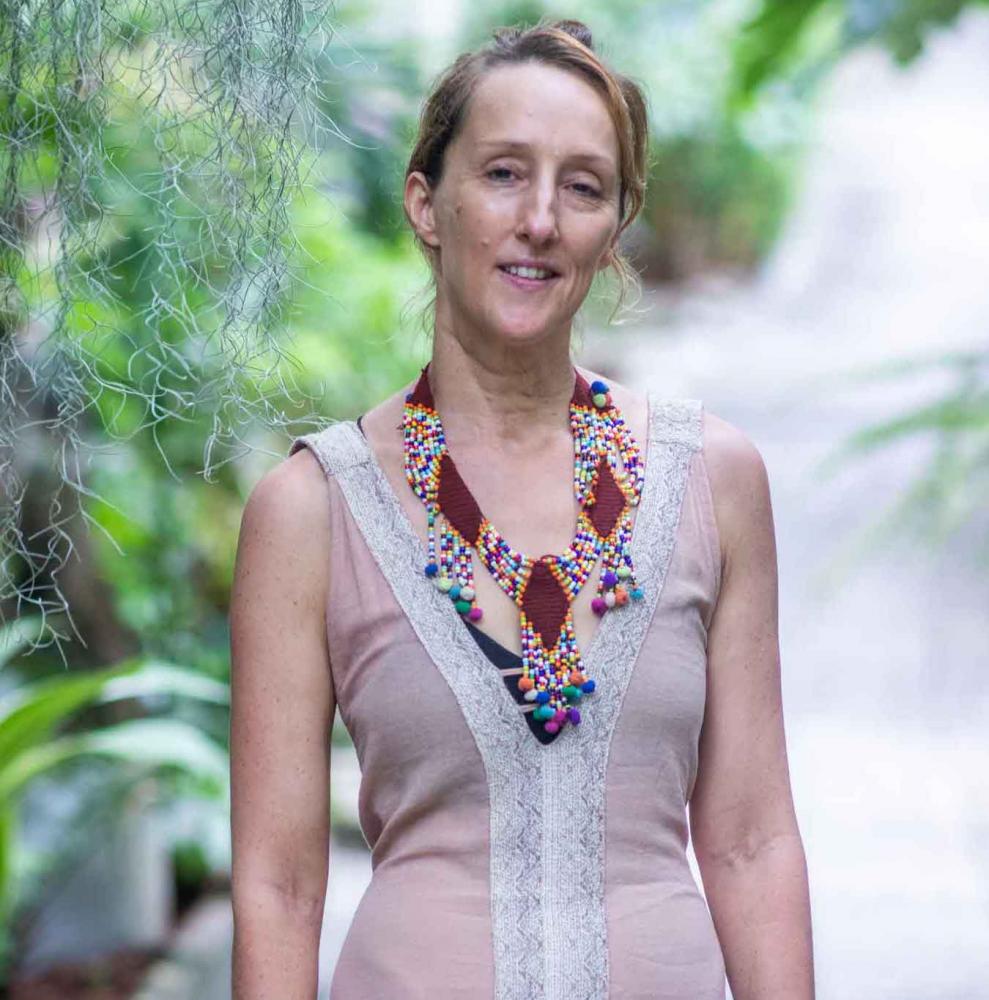
Tatiana Aitken
Trauma-aware breathwork and somatic practitioner based in London. Tatiana combines conscious connected breathing with body-centered trauma work to support deep healing and integration.
View ProfileContinue Reading
The Science Behind Conscious Connected Breathing
How rhythmic breathing creates lasting shifts in the autonomic nervous system.
Read ArticleReclaiming Pleasure After Trauma
A compassionate guide to rebuilding a healthy relationship with the body.
Read Article